Explore the Key Features and Services Offered by Emergency Generators Now.
Emergency generators have developed greatly, incorporating advanced features that improve their performance and ease of use. Major advancements feature Automatic Transfer Switches for seamless power changes and remote monitoring capabilities for instant operational data. Furthermore, quieter operation systems and optimized fuel usage reflect a growing emphasis on operator convenience and environmental responsibility. As these systems keep improving, the consequences for disaster readiness and property safety are growing in significance. Which additional capabilities might redefine their role?
The Automatic Transfer Switch: Smooth Power Changeover
An automatic transfer switch (ATS) serves as a crucial component in emergency power installations, ensuring a smooth transition of power in case of blackouts. When utility power fails, the ATS detects the interruption and swiftly disconnects the building from the grid. This action eliminates power feedback, which can create dangers for utility workers and equipment. Concurrently, the ATS signals the standby generator to turn on, providing constant electrical service
Once the unit is running, the ATS switches the power demand to the generator, maintaining essential services and reducing inconvenience. Portland Standby Generators. In most installations, the switch perpetually observes electrical conditions and can seamlessly switch back to the main source once it is restored. By allowing this reliable and swift transition, the ATS enhances system reliability and ensures that properties and residences remain powered during emergencies. The integration of an ATS marks a significant improvement in ensuring reliable power access
Distant Tracking and Operation
While backup units deliver critical energy during outages, distant oversight functions enhance their functionality by letting operators track generator performance remotely. This system employs intelligent hardware and applications, allowing users and facilities to track generator status, performance metrics, and maintenance needs in real-time.
Users are warned concerning power issues, fuel levels, and performance irregularities, allowing for prompt action and cutting unnecessary idling. The simple control panels permit simple changes and configuration updates, promoting better operator involvement and control.
Moreover, remote monitoring can facilitate proactive maintenance scheduling, minimizing unexpected failures and extending the generator's lifespan. As a result, users can enjoy peace of mind, knowing their standby generator is functioning efficiently, ready to provide reliable power when needed. This added layer of convenience and oversight makes remote monitoring a valuable feature in modern standby generators.
Noise Reduction Technology
Noise reduction technology plays an essential role in enhancing the user experience of standby generators. As these systems operate during power outages, minimizing noise levels becomes vital, especially in residential settings. Manufacturers have developed various methods to achieve quieter operation, including sound-dampening enclosures and advanced muffler designs.
Many modern standby generators feature insulated cabinets that not only reduce noise but also protect the internal components from weather elements. Additionally, some models incorporate vibration isolation systems that further minimize sound during operation. The implementation of these technologies allows users to maintain their comfort and peace while ensuring reliable power during outages.
Fuel Efficiency and Environmental Considerations
In examining fuel efficiency and environmental considerations, standby generators present various technologies aimed at reducing emissions. A comparison of fuel consumption across different models highlights the importance of selecting units that optimize energy use. Additionally, the exploration of renewable energy options further enhances the eco-friendliness of standby power solutions.
Emission Reduction Technologies
As concerns about climate change and air quality grow, the importance of emission reduction technologies in standby generators becomes increasingly evident. These technologies are designed to minimize harmful emissions, making generators more environmentally friendly. Innovations such as advanced catalytic converters and particulate filters markedly reduce pollutants, including nitrogen oxides and particulate matter. Additionally, manufacturers are integrating cleaner-burning fuels and optimizing combustion processes to enhance overall efficiency and lower emissions. The implementation of smart monitoring systems also allows users to track emissions in real-time, ensuring compliance with environmental regulations. Therefore, adopting these emission reduction technologies provides advantages beyond environmental improvements but also aligns with growing consumer demands for environmentally friendly energy options. To conclude, they represent a vital step towards greener standby power options.
Analysis of Fuel Efficiency

While evaluating standby generators, a critical factor to weigh is their fuel consumption, which directly impacts both operational costs and the generator's ecological footprint. The efficiency of fuel use differs among various models, a result of the specific engine design and incorporated technology. Generators powered by gasoline, propane, and diesel show different rates of consumption, where diesel typically offers greater energy concentration and the ability to run for longer periods. Yet, options using propane and natural gas are increasingly favored because they burn more cleanly and lower emissions. Grasping the measurements of fuel usage, such as gallons per hour or BTU output, is necessary for buyers who want to weigh performance with affordability. Furthermore, the ecological consequences of selecting a fuel type emphasize the need to pick a unit that supports environmental objectives.
Renewable Energy Options
Renewable energy options for standby generators offer an attractive substitute to traditional fuel sources, especially concerning how efficiently they use fuel and their ecological footprint. Solar and wind power are finding greater use in standby setups, enabling consumers to utilize natural energy sources to produce electricity. These options markedly reduce reliance on fossil fuels, resulting in reduced greenhouse gas output and a lessened impact on climate change. Additionally, advancements in energy storage technologies make it possible to use green energy more efficiently, ensuring a consistent power supply when the grid fails. Though the starting price might be elevated, but long-term savings on fuel costs and maintenance, in addition to the positive impact on the planet, render green power alternatives a compelling option. In summary, this movement toward eco-friendly power for backup power units demonstrates an increasing dedication to eco-friendly practices.
Maintenance and Service Plans
Regular maintenance and service plans are vital for securing the durability and trustworthiness of standby power systems. These contracts generally cover regular examinations, servicing, and performance testing conducted by qualified technicians. During these visits, critical components such as batteries, fuel systems, and electrical connections are carefully checked to avoid possible malfunctions in the event of a grid failure.
Maintenance programs often include routine oil servicing, replacing filters, and checking the coolant, which enhance the generator's output and efficiency. Additionally, most suppliers feature urgent assistance options, ensuring prompt assistance if failures happen outside regular maintenance intervals.
Opting for a comprehensive service plan does more than just prolong the lifespan of the generator but also offers reassurance, knowing that the unit is prepared for sudden electricity failures. Homeowners can select from different maintenance options designed for individual needs, fostering peak operation and reliability throughout the generator's operational life.
Safety Features and Regulatory Compliance
Security mechanisms and compliance standards constitute vital components in the design and operation of standby generators, guaranteeing both protection for the user and meeting industry standards. Newer generator models incorporate multiple safety mechanisms, such as self-activating shutdown important resource mechanisms that trigger upon failure, averting risks like electrical hazards or fires. Furthermore, numerous models include CO sensors, which work to lessen the hazard stemming from noxious gas output.
Compliance with national and local codes, such as the National Electrical Code (NEC) and Underwriters Laboratories (UL) standards, is vital for manufacturer certification. These standards confirm that standby generators are checked for capability, reliability, and safety. In addition, companies typically include manuals that detail safe operating procedures and installation guidelines. By prioritizing these features and adherence criteria, standby generators improve user assurance but also promote safe operation during power outages, in the end preserving both lives and property.
Commonly Asked Questions
How Much Does a Standby Generator Cost on Average?
Typically, a standby generator costs in the range of $5,000 to $15,000, with installation included. Elements affecting the cost are based on generator capacity, brand, and additional features, with a range of selections present to suit different household needs and budgets.
What Is the Lifespan of a Standby Generator?
A standby generator's operational life usually falls between 15 to 30 years, contingent on utilization, upkeep, and environmental factors. Regular servicing can greatly enhance life expectancy and dependability throughout its working span.
Am I Able to Install a Standby Generator Independently?
DIY installation of a standby generator is feasible for skilled individuals, but it's usually discouraged due to safety concerns and area ordinances. Hiring a professional ensures adherence to regulations and optimal performance for the generator.
Which Brands Offer the Best Reliability for Backup Generators?
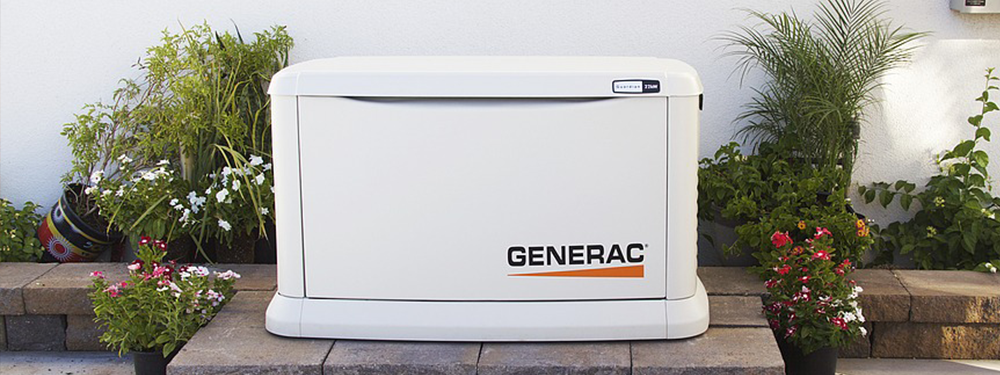
Top reliable standby generator brands are Generac, Kohler, and Briggs & Stratton. Portland Standby Generators. These brands are renowned for their durability, performance, and extensive customer support, positioning them as preferred selections among homeowners seeking dependable backup power solutions
How Should I Determine the Correct Generator Size for My Home?
Selecting the appropriate generator size requires, one must calculate the total wattage of essential appliances, take into account starting wattage versus running wattage, and plan for potential future demands, ensuring the generator can handle peak demands effectively.